
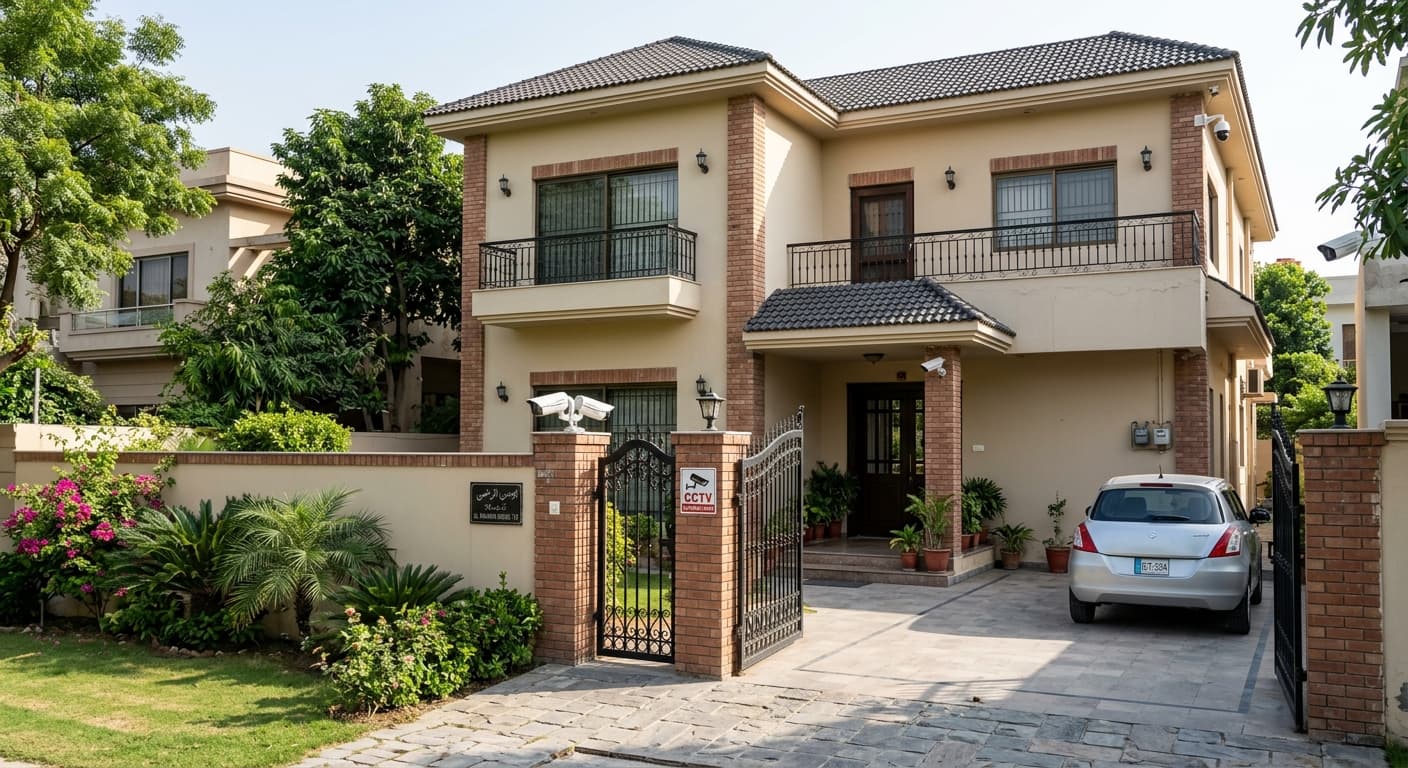
Outdoor coverage
Weather-rated cameras for driveways, entries, side paths and rear yards, placed for lighting and mounting surfaces that already exist.
Home CCTV Solutions
Residential surveillance planned around entries, yards and the rooms you actually care about — with recording and phone viewing set up properly.
Residential security
A house is not a warehouse. Driveways, side gates, backyards and front entries each need a different camera position and lighting approach. Home CCTV work starts with a walk of those spaces, then a camera count and recorder size that match the brief — not a kit chosen first.
Coverage planning
Faces, vehicles and approach paths — typically the first cameras on a residential brief.
Gates, side paths and back doors that are easy to miss from the street.
Garages, carports and common areas in townhomes or small complexes.
Selected indoor positions when the brief calls for them — not cameras in every room by default.
Camera placement
Each camera should answer a question: who came to the door, what happened at the gate, who used the side path. Placement is decided against those questions for a house — not a symmetrical grid copied from a commercial layout.
Indoor and outdoor cameras
Weather-rated cameras for driveways, entries, side paths and rear yards, placed for lighting and mounting surfaces that already exist.
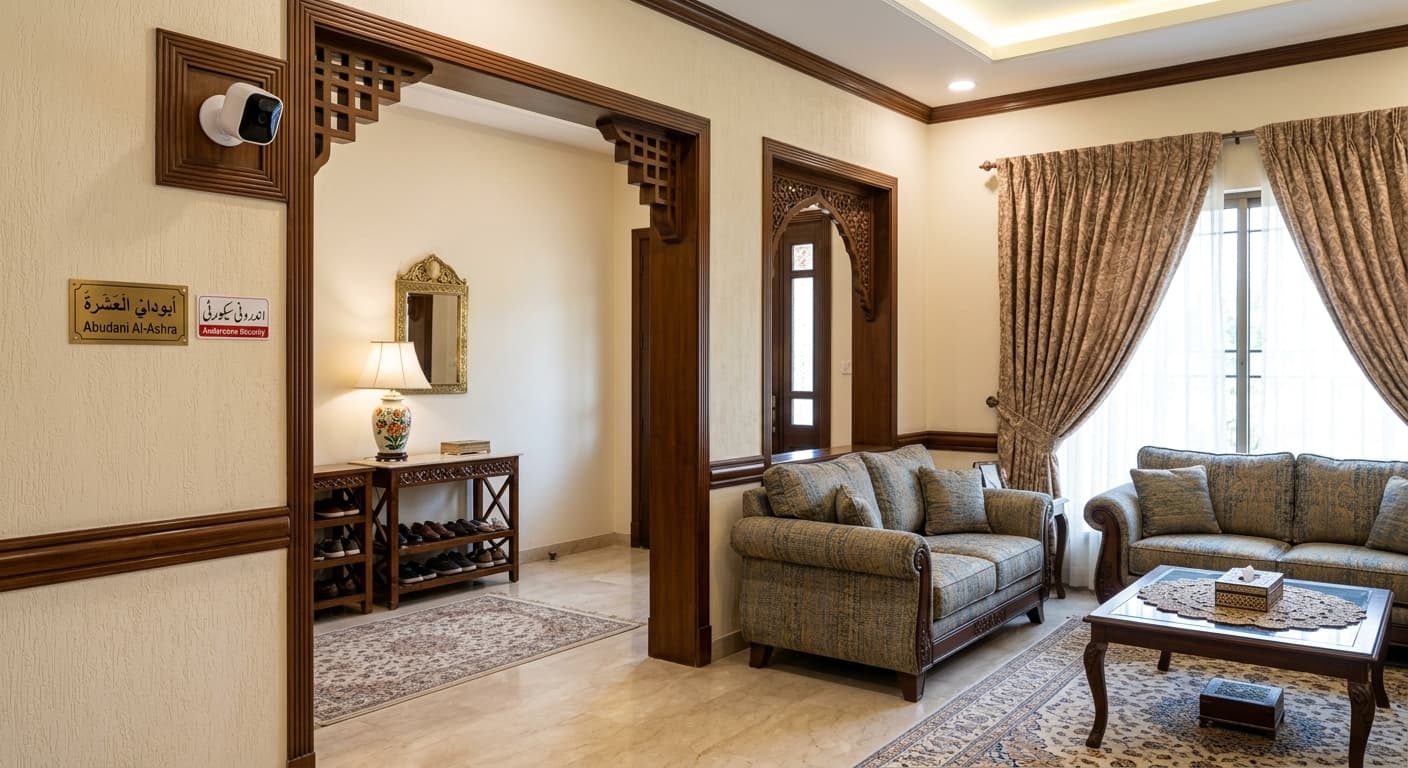
Interior cameras where they are useful — garages, living areas or shared entries — without treating every room as a surveillance zone.
Recording and retention
Remote viewing
Once the recorder and network are commissioned, live view and playback are set up on phone or computer for the people who should have access. Accounts and notifications are part of handover, not an afterthought.
Home CCTV examples
Reference imagery until additional A2Z project photography is supplied.
Driveway, entry and perimeter cameras on a residential property.
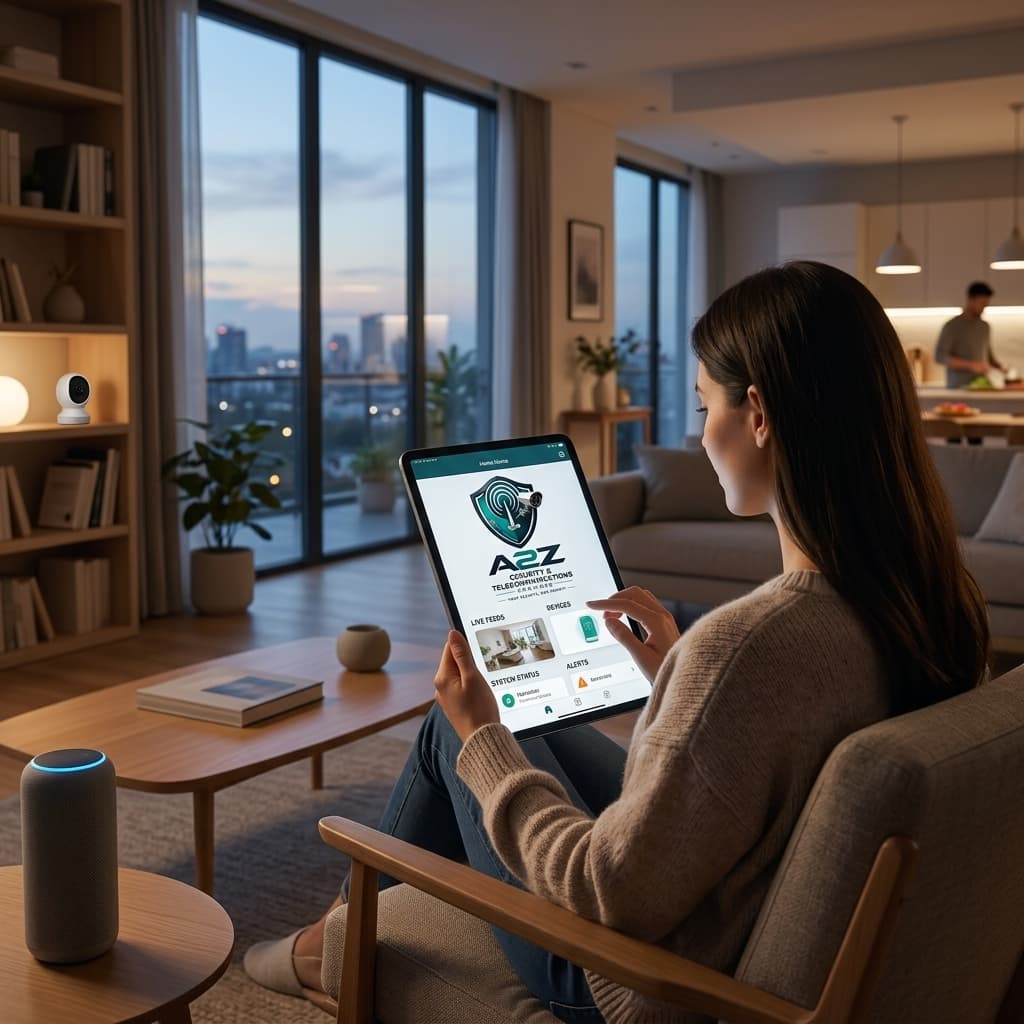
Live camera feeds on a tablet — set up during commissioning handover.
Home CCTV questions
The same principles apply — coverage, recording and remote access — but the camera count, mounting surfaces and privacy expectations are different. A home walk usually clarifies that faster than a generic kit.
Tell us about the property, entries and how you want to view footage — we will put together a residential camera plan.